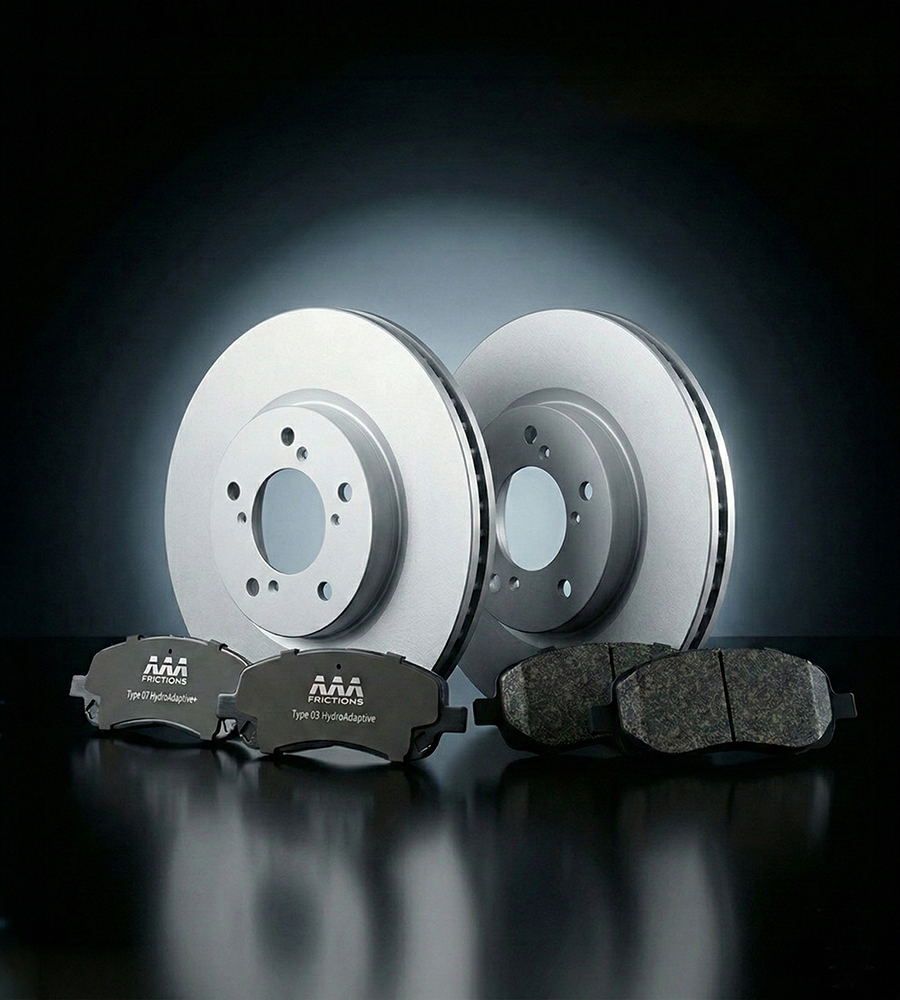
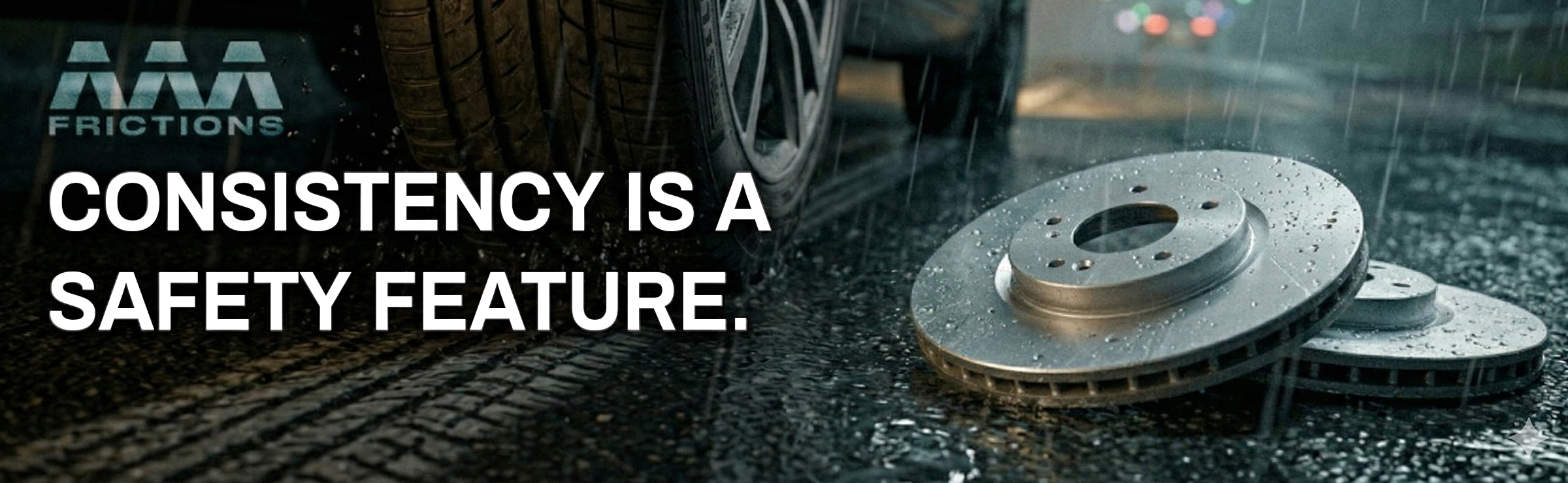
GC Type Rotors are engineered specifically to work with HydroAdaptive™
and HydroAdaptive+™ brake pads.
* Filter your results by entering your Vehicle to ensure you find the parts that fit.
Generic rotors are designed with generic metallurgy and generic surface chemistry. They are manufactured without consideration for the specific friction materials they will interface with.
This lack of friction-system compatibility leads to unstable braking performance, especially during weather changes, temperature fluctuations, and moisture exposure.
The result is inconsistent pedal feel, extended break-in periods, and unpredictable stopping power when conditions change.
GC Type Rotors are co-engineered with HydroAdaptive brake pads from the beginning. The rotor surface chemistry, metallurgy, and thermal properties are specifically tuned to work with HydroAdaptive friction materials.
This system approach ensures transfer layer stability, effective moisture management, and consistent performance
across varying climate conditions.
The result is a braking system that behaves predictably regardless of temperature swings, humidity changes, or
seasonal transitions.

Shorter break-in: Transfer layer forms faster and more uniformly
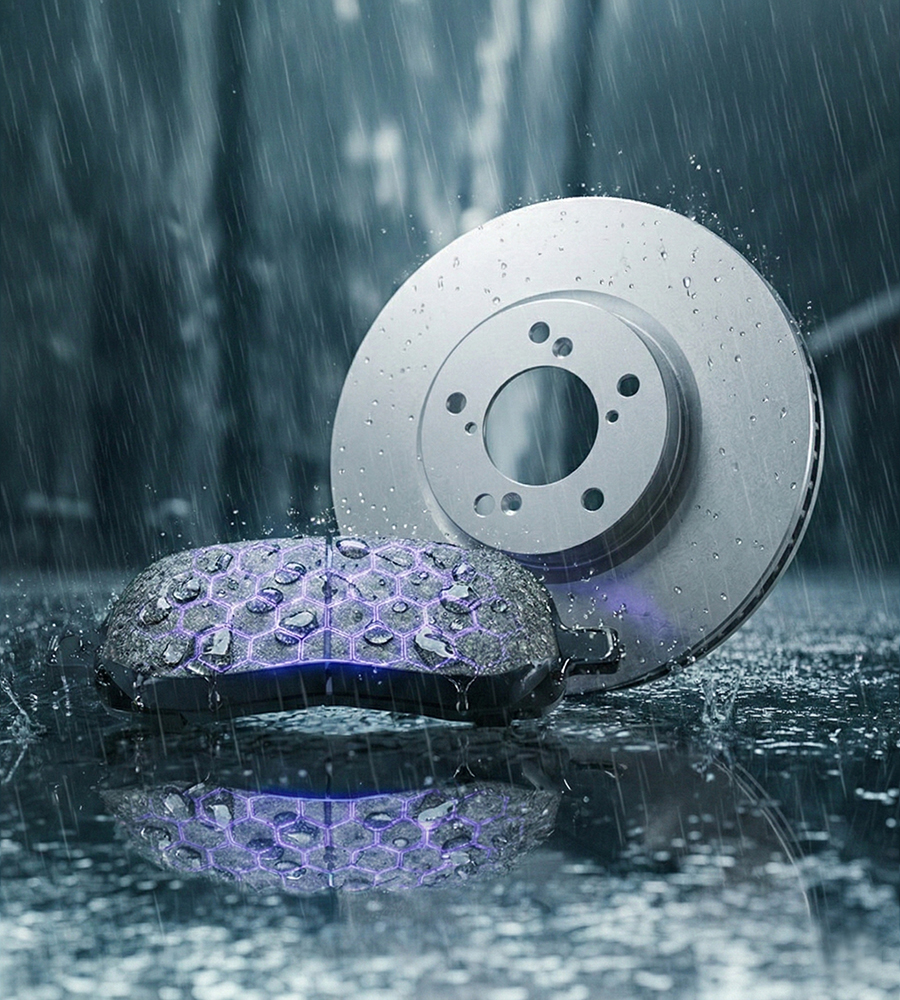
Improved wet stability: Moisture management designed into the system
Consistent temperature performance: Predictable behavior across
thermal cycles
GC Type Rotors use a G3000 cast iron formulation optimized for thermal stability and friction consistency. The
metallurgical composition ensures even heat distribution across the rotor surface.
This reduces friction variability during braking events and extends the service life of both the rotor and the pad.
Predictable braking force with minimal pedal feel variation across the component’s service life.
GC Type Rotors are reserved exclusively for use with HydroAdaptive and HydroAdaptive+™ brake pads. This is not a marketing constraint it is an engineering requirement.
Using GC rotors with generic pads, or using HydroAdaptive pads with generic rotors, limits the engineering intent behind both components.
This is system design, not upselling. The performance characteristics engineered into each component are only realized when they work together.
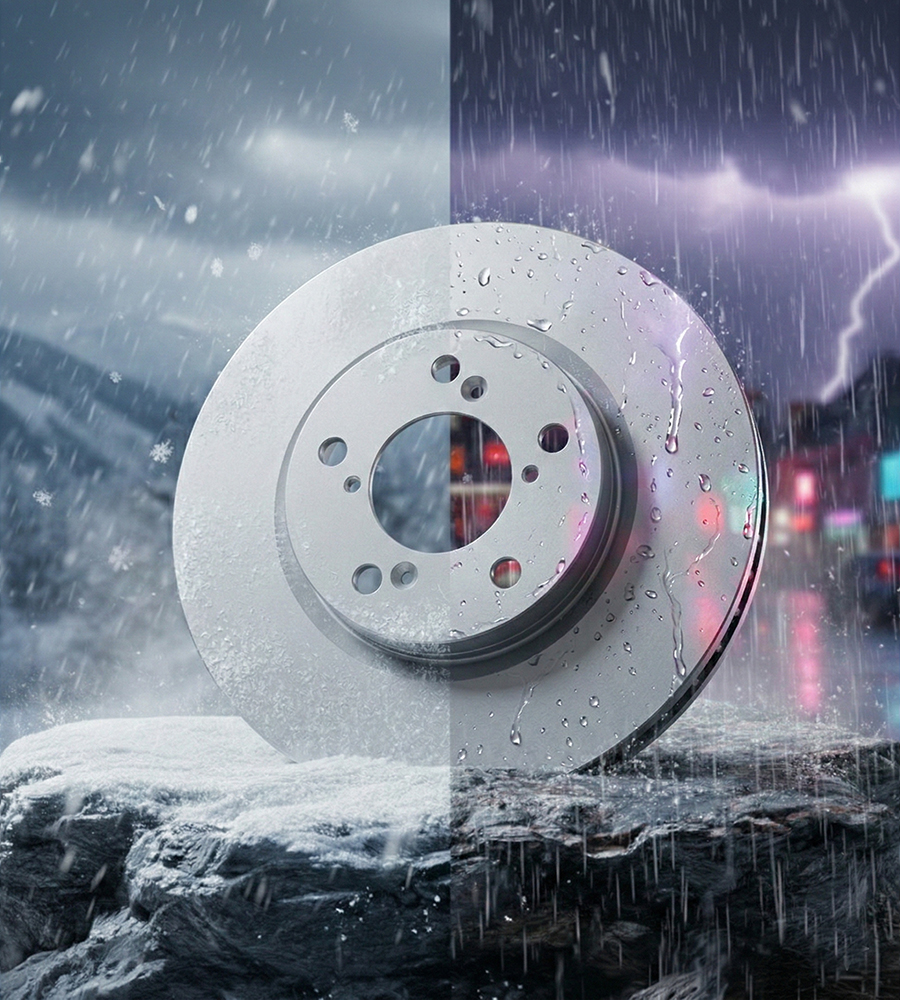
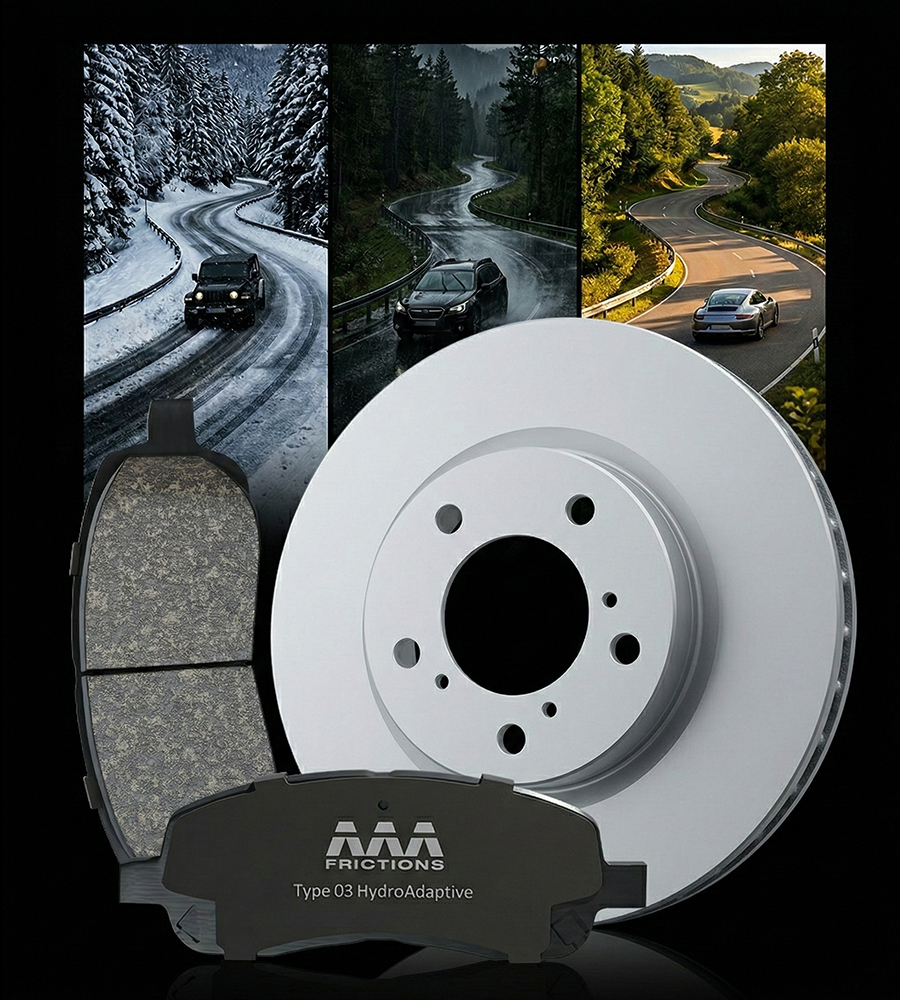
GC Type Rotors are engineered for the conditions drivers actually face: rain-soaked commutes, cold morning starts, seasonal temperature swings, and harsh climate exposure.
The system is designed to maintain consistent braking performance across these real-world variables without requiring perfect conditions or extended warm-up periods.
This is braking engineering focused on reliability, not idealized laboratory performance.
When braking performance is predictable across all conditions, drivers can trust their vehicle’s response. This consistency is not a luxury it is a fundamental safety requirement. Choosing components engineered to work together is a
decision rooted in responsibility.
Watch for a pulsing brake pedal or a shaking steering wheel when braking, grinding, deep grooves or a lip at the rotor's edge, and rust on the braking surface that doesn't clear after a few stops. A pulsing pedal often means uneven rotor thickness; see warped brake rotors.
Yes, if you drive on salted roads. Uncoated rotors rust quickly on the hub and edges, and that rust can seize wheels and cause uneven braking. A GEOMET coating protects the parts of the rotor the pads don't touch, so they stay clean through winter.
A thin layer of surface rust after rain, a car wash or a night outside is normal and clears in the first few stops. Rust that stays, pits the surface or builds up on the edges needs attention, especially on salted roads. See what's normal and what isn't.
Our rotors come in kits with matching ceramic pads: a front kit costs about $110 to $230 for most cars, and more for trucks. A shop adds labour on top. Our rotor replacement cost guide covers typical shop prices in Canada.
GC rotors have a full GEOMET coating, for drivers on salted winter roads. SC rotors have a coated hub and edges. Both come paired with Type 03 or Type 07 ceramic pads, as front, rear or front-and-rear kits.
No special process, just a normal bed-in: a series of moderate stops so the pads lay an even layer on the rotors. The coating on the braking surface wears off in the first stops, and the rest stays protected. See our coated rotor break-in guide.
* Filter your results by entering your Vehicle to ensure you find the parts that fit.