

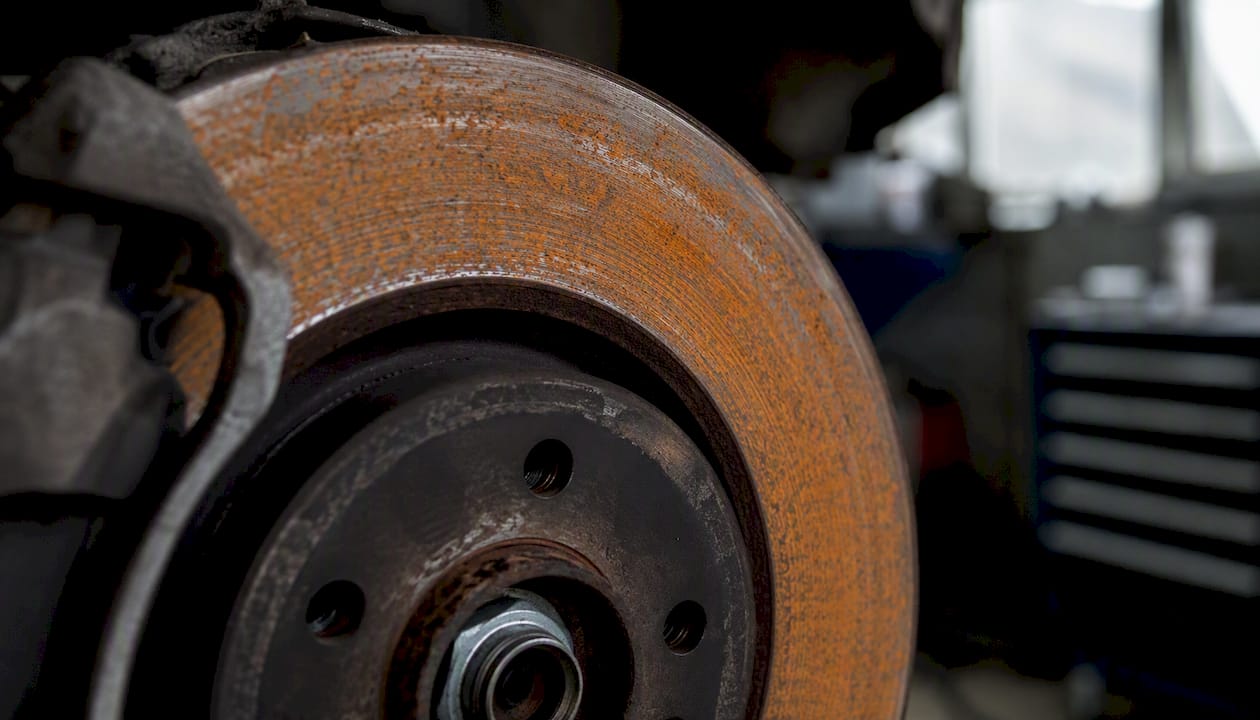
That thin orange film you spotted on your brake rotors this morning is almost certainly flash rust, the technical term for rapid surface oxidation on exposed cast iron. Most of the time, it is completely harmless and clears within the first few brake applications of a normal drive. Here is what to do right now:
- Stay calm. A light orange coating on the rotor face is a normal consequence of moisture contact on bare cast iron, not a sign of brake failure.
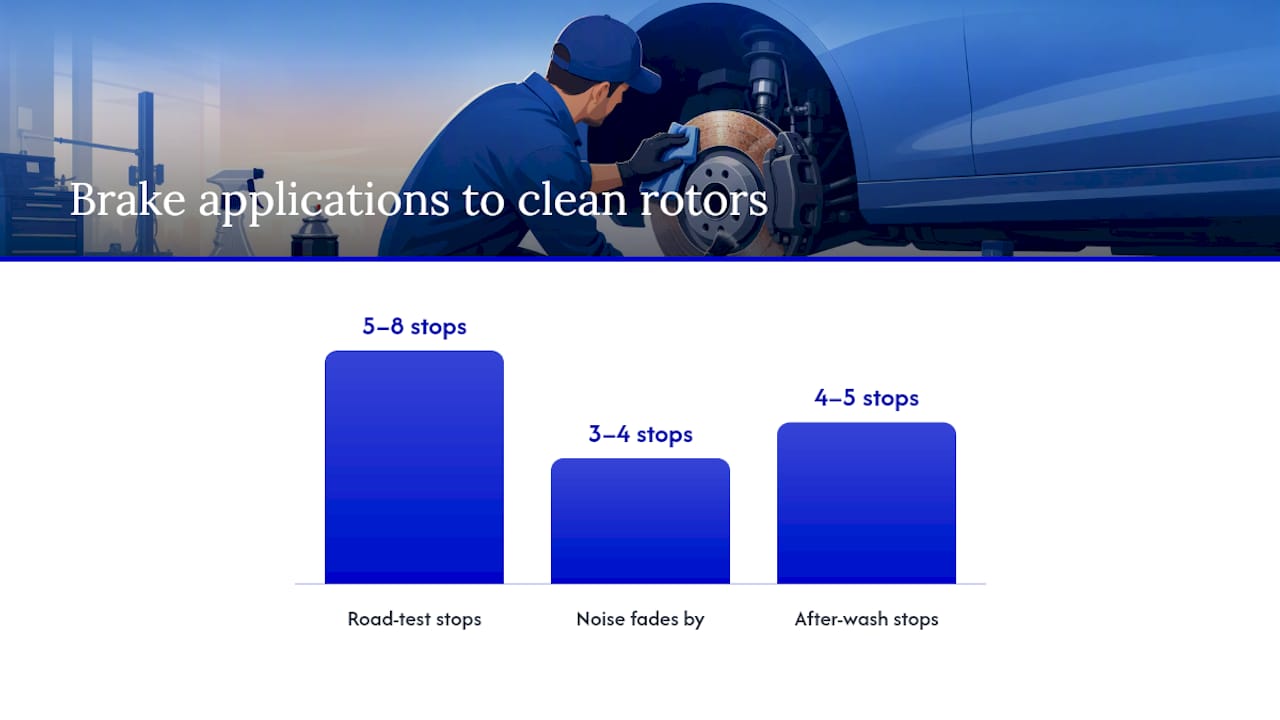
- Take a short clearing drive. Drive at low speed and apply the brakes gently four or five times. The pad-to-rotor friction heats and abrades the oxidation layer away quickly under normal conditions.
- Check for persistent symptoms. If grinding, vibration, or pulling continues after several stops, pull over safely and arrange a professional inspection before driving further.
If the symptoms clear after those first few stops, you are good to go. If they do not, keep reading.
Key Takeaways
Flash rust on cast-iron rotors is a normal chemical reaction that clears with normal braking in most cases, but persistent symptoms after multiple stops are a reliable indicator that professional inspection is needed.
| Point | Details |
|---|---|
| Flash rust is usually harmless | A thin orange film on the friction surface clears within the first few brake applications under normal driving conditions. |
| Symptoms guide your response | Grinding, vibration, or pulling that persists after several stops signals a rotor issue that requires a technician’s measurement and assessment. |
| Salt and EVs raise the risk | Road salt, coastal humidity, and infrequent mechanical braking in EVs and hybrids accelerate corrosion beyond cosmetic surface rust. |
| Prevention is mostly habit | Garage parking, post-rain brake wipes, and rinsing salt off wheel wells reduce both flash rust frequency and long-term pitting. |
| Aaafrictions addresses the root cause | HydroAdaptive ceramic kits with corrosion-resistant rotor finishes are engineered for drivers in high-moisture and high-salt environments. |
Table of Contents
- What flash rust on rotors actually is
- How quickly rust forms and what makes it worse
- When surface rust is harmless and when it is a warning sign
- Step-by-step actions to take when you find rust on your rotors
- Practical ways to reduce flash rust and keep rotors cleaner
- How special situations change your rust risk
- When to schedule a professional inspection or rotor service
- How Aaafrictions addresses moisture-related rotor issues
- Our perspective on flash rust and brake safety
- Aaafrictions brake kits built for wet and corrosive conditions
- Sources
What flash rust on rotors actually is
Flash rust is rapid surface oxidation, the same chemical reaction that turns a steel nail orange overnight in the rain. Cast-iron rotors are especially vulnerable because the friction ring, the flat surface the brake pad contacts, must remain completely bare metal. No protective paint, no coating, no sealant can be applied to that contact zone without compromising braking performance. So the moment moisture touches it, iron oxide forms fast.
Visible rotor rust often appears within hours of rain, a car wash, morning dew, or even coastal humidity because that working surface is always exposed. The good news is that normal braking scrapes the oxidation away just as quickly. The pad acts as a mechanical wiper, and the heat generated during braking accelerates the process. What looks alarming through your wheel spokes is usually gone before you reach the end of your street.
The rotor hat (the center section that bolts to the hub), the outer edge lip, and the vented fins are separate from the friction ring. Those areas can carry protective coatings, and on quality rotors they often do. But the contact ring itself stays bare by design.
How quickly rust forms and what makes it worse
Surface rust on rotors can appear in as little as one to two hours under humid conditions. The timeline from cosmetic film to structural damage depends heavily on environment and how often the vehicle is driven.
| Scenario | Time to visible rust | Clears with short drive? |
|---|---|---|
| Overnight dew or light rain | within hours | Yes, within a few stops |
| Car wash residue | 1–3 hours | Yes, within a few stops |
| Parked several days (dry climate) | several days | Usually, may take longer |
| Parked several days (humid/coastal) | one to two hours | Possibly; inspect for pitting |
| Winter road salt exposure | Hours to overnight | May not fully clear; rinse first |
| Long-term storage (weeks or months) | Days to weeks | Often requires inspection or service |
Cast-iron rotors can show surface oxidation within hours; salt exposure and long storage accelerate deeper corrosion that a short drive alone may not resolve. The factors that push surface rust toward structural damage include:
- High humidity and temperature swings. Overnight condensation is one of the most consistent rust triggers, especially in coastal states and the Midwest during spring and fall.
- Road salt and slush. Salt lowers the activation energy for oxidation, so rotors in northern states during winter can develop visible scaling within a single overnight park.
- Infrequent braking. Vehicles that sit for days between drives never get the mechanical wipe that clears the friction surface.
- EV and hybrid operation. Regenerative braking reduces mechanical pad contact, so the rotor surface gets wiped less often. More on this in the special cases section below.
When surface rust is harmless and when it is a warning sign
The distinction between harmless flash rust and a rotor that needs service comes down to what you hear, feel, and see after a few braking cycles.
Normal signs that clear quickly:
- A brief scraping or light grinding sound during the first one to three stops
- Slight roughness in the pedal feel on the first application
- Orange or reddish-brown dust visible on the wheel face after driving
- The noise and roughness disappear completely within a quarter mile
Warning signs that require attention:
- Grinding or metal-on-metal noise that continues after five or more stops
- Steering wheel vibration or pulsation during braking
- The vehicle pulling to one side when you apply the brakes
- A visible rust ridge or lip at the outer rotor edge that is raised and sharp
- Deep pitting or cratering visible on the rotor face
- Rust visible inside the rotor hat or on the hub mating surface
Surface rust usually clears with a short drive; persistent noise, vibration, or visible pitting are indicators to have a technician inspect and measure the rotor. Pitting reduces the flat contact area between pad and rotor, which creates uneven heat distribution and can cause the pedal pulsation many drivers mistake for warped rotors. Under normal conditions, expect light surface rust to clear within a half mile to one mile of gentle braking.
Step-by-step actions to take when you find rust on your rotors
A structured check takes less than ten minutes and tells you everything you need to know before committing to a full drive.
What to do:
- Walk around the vehicle and visually inspect each rotor through the wheel spokes. Note the color and texture: uniform orange film is flash rust; dark brown scaling or visible pits are a different situation.
- Drive at 15–20 mph in a safe, low-traffic area and apply the brakes gently five to eight times. You are not trying to stop hard; you are letting the pad wipe the surface clean.
- After the test stops, park and look at the rotors again. The friction ring should show a clean, gray metallic band where the pad contacted the surface.
- Listen carefully during each stop. Noise that fades by stop three or four is normal. Noise that stays consistent or gets louder is a red flag.
What not to do:
- Never apply oil, grease, WD-40, or any lubricant to the rotor friction surface. Contamination reduces braking force and can cause the pad to glaze, creating a longer-term performance problem.
- Do not sand or grind the rotor while it is still mounted on the vehicle. Uneven material removal changes the rotor’s thickness profile and can introduce the very vibration you are trying to eliminate.
- Avoid aggressive, hard stops on a rotor you have not yet verified is clean and even. Hard stops on a pitted or uneven surface can transfer material unevenly to the pad.
- Do not use brake cleaner on a hot rotor. Let the rotor cool first; thermal shock can cause micro-cracking on a rotor that is already stressed.
Pro Tip: After washing your vehicle, take a short five-minute drive, and apply the brakes gently four or five times before parking. This evaporates moisture from the friction surface and mechanically wipes the contact ring clean, significantly reducing overnight rust formation.
Practical ways to reduce flash rust and keep rotors cleaner
Prevention does not require expensive products. Most of it comes down to parking habits and a few seasonal routines.
Daily and weekly habits:
- Park in a dry, enclosed garage whenever possible. Eliminating overnight moisture exposure is the single most effective prevention step.
- After driving in rain or through puddles, apply the brakes lightly several times before parking to dry the rotor surface.
- Rinse your wheel wells and rotors with fresh water after driving on salted roads. Salt residue left overnight accelerates pitting far faster than plain water.
- Avoid parking on wet grass or gravel surfaces where moisture wicks upward onto the rotor.
Understanding coated rotors:
Coated rotors protect non-contact areas like the hat, edges, and vents, but the pad contact area remains exposed bare metal. A zinc or GEOMET-style coating on the hat and outer lip reduces the rusted rotor lip appearance and slows corrosion on secondary surfaces, which matters for long-term structural integrity. But it does not prevent flash rust on the friction ring itself. Buyers who expect a coated rotor to stay fully rust-free are often surprised the first time they park in the rain. The coating is doing its job; the friction surface is simply working as designed.
For seasonal or infrequently used vehicles:
- Use wheel chocks instead of the parking brake during long storage. A parking brake left engaged can cause the pad to bond lightly to the rotor surface.
- Move the vehicle at least once a week during storage periods, applying the brakes several times to wipe the contact surface.
- Consider fitted wheel covers or a full car cover in humid climates to reduce ambient moisture reaching the rotors.
How special situations change your rust risk
EVs and hybrids
EVs and hybrids often show more visible surface rust because regenerative braking reduces the frequency of mechanical pad contact that normally wipes the rotor clean. In stop-and-go city driving, a hybrid may rarely engage the friction brakes at all, leaving the rotor surface unwashed for days. The fix is straightforward: periodically use the mechanical brakes deliberately, especially after rain or a car wash. A short drive with several firm-but-not-hard stops is enough to restore a clean friction surface. EV owners in humid climates should make this a weekly habit. For a vehicle-specific solution, the Chevrolet Bolt EV brake kit from Aaafrictions pairs semi-coated rotors with HydroAdaptive pads designed for exactly this use pattern.
Coastal and winter road-salt regions
Salt spray and road brine are the most aggressive accelerants for rotor corrosion. Drivers in coastal states like Florida, California, and the Gulf Coast, or in northern states where roads are salted from November through March, face a meaningfully higher risk of surface rust progressing to pitting. Rinsing the undercarriage and wheel wells with fresh water after salt exposure is not optional in these environments; it is basic maintenance. Storing the vehicle in a garage overnight after salt exposure can cut the corrosion rate substantially. For guidance on related caliper corrosion in high-salt environments, the caliper corrosion prevention guide covers the full brake system picture.
Long-term storage
Vehicles stored for more than two weeks need deliberate rust management. Beyond the weekly drive recommendation above, controlled-humidity storage (a dehumidifier in an enclosed garage) makes a real difference. If the vehicle will sit for a month or more, document the rotor condition before storage and plan a full brake inspection before returning it to regular use.
When to schedule a professional inspection or rotor service
Some symptoms require a technician, not a test drive. Book an inspection when you observe any of the following:
- Grinding or vibration that persists after ten or more brake applications
- A visible rust ridge or lip at the rotor edge that you can feel with a gloved finger
- Deep pitting visible on the friction surface, not just a uniform orange film
- The vehicle pulling consistently to one side during braking
- A wheel that feels noticeably hotter than the others after a normal drive
- Rotor thickness that appears visually reduced compared to a new rotor
What to ask your mechanic:
Ask for the rotor thickness measured against the manufacturer’s discard specification. A rotor at or below discard spec cannot be safely resurfaced and must be replaced. Ask whether visible pitting is surface-level or has penetrated deep enough to affect pad contact. Ask about pad condition and caliper operation at the same time; a sticking caliper causes uneven pad wear that accelerates rotor damage.
Deep pitting and rust inside the rotor hat can cause pedal pulsation and may require hub and hat rust removal or rotor replacement if machining would drop below safe thickness. On resurfacing versus replacement: most shops today replace rather than machine rotors because the cost difference is small and replacement guarantees full thickness. Resurfacing is still viable when the rotor is well above discard spec and the pitting is shallow, but confirm the post-machine thickness before agreeing to it.
How Aaafrictions addresses moisture-related rotor issues
Aaafrictions engineers its brake systems around the specific challenge of moisture and corrosion. The HydroAdaptive Technology at the core of its pad formulations is designed to clear moisture from the friction interface rapidly, maintaining consistent pedal feel and stopping power even when the rotor surface is wet. The ceramic compound stays stable across a wide temperature range, which matters most during the cold-to-warm transitions that drive condensation and flash rust formation.
On the rotor side, Aaafrictions offers semi-coated and GEOMET-coated options that protect the hat, outer lip, and vented fins from long-term corrosion while leaving the friction ring to perform as designed. This is particularly relevant for EV and hybrid owners, coastal drivers, and anyone who stores a vehicle seasonally and wants to minimize the rust ridge and rotor edge corrosion that accumulates between drives.
Vehicle-specific kits pair the right pad compound with the right rotor finish for your make and model. Check the fitment lookup to confirm compatibility for your vehicle.
Our perspective on flash rust and brake safety
Flash rust gets more attention than it deserves as a panic trigger, and less attention than it deserves as a diagnostic signal. The vast majority of orange-coated rotors you will see in a parking lot are cosmetic, cleared by the first mile of driving, and entirely irrelevant to safety. Treating every instance as an emergency wastes money and creates unnecessary anxiety.
The more useful habit is learning to read the difference between surface oxidation and structural damage. A uniform orange film is chemistry. A raised rust lip, deep pitting, or a rotor that vibrates through the pedal after ten stops is a mechanical problem. Those two things look similar to an untrained eye but require completely different responses. We think the most practical thing any driver can do is spend two minutes looking at their rotors every few months, not to diagnose every speck of rust, but to build a baseline sense of what normal looks like for their vehicle. When something looks different, that baseline is what tells you whether to drive or call a shop.
Aaafrictions brake kits built for wet and corrosive conditions
Drivers dealing with persistent surface rust, coastal salt exposure, or EV-related rotor corrosion have a direct upgrade path. Aaafrictions vehicle-specific brake kits combine corrosion-resistant rotor finishes with HydroAdaptive ceramic pad formulations, engineered to maintain reliable friction in rain, humidity, and cold without the performance drop that standard pads show in wet conditions.

Key features of the Aaafrictions system:
- Corrosion-resistant rotor finishes on non-contact surfaces (hat, edge, vents) to reduce visible rust buildup between drives
- HydroAdaptive ceramic pads that clear moisture from the friction interface and deliver consistent pedal feel across weather conditions
- Vehicle-specific kits that simplify the upgrade process with matched components for your exact make and model
Check your vehicle fitment and explore the full brake system options at the Aaafrictions landing page. If you want to compare pad formulations before ordering, the ceramic vs. semi-metallic pad guide covers the trade-offs in plain terms.
Sources
The following sources provide reliable, U.S.-relevant guidance on rotor rust, brake maintenance, and inspection standards:
- Why Brake Rotors Rust Overnight—And When To Worry
- Brake rotor rust — Is It Something To Worry About? — Ricks Free Auto Repair Advice
- Rust on Rotors? When It Can Be A Problem – NOLA Automotive Repairs Inc
- Your Brake Rotors Rusted Overnight—Don’t Pay for New Brakes Yet