

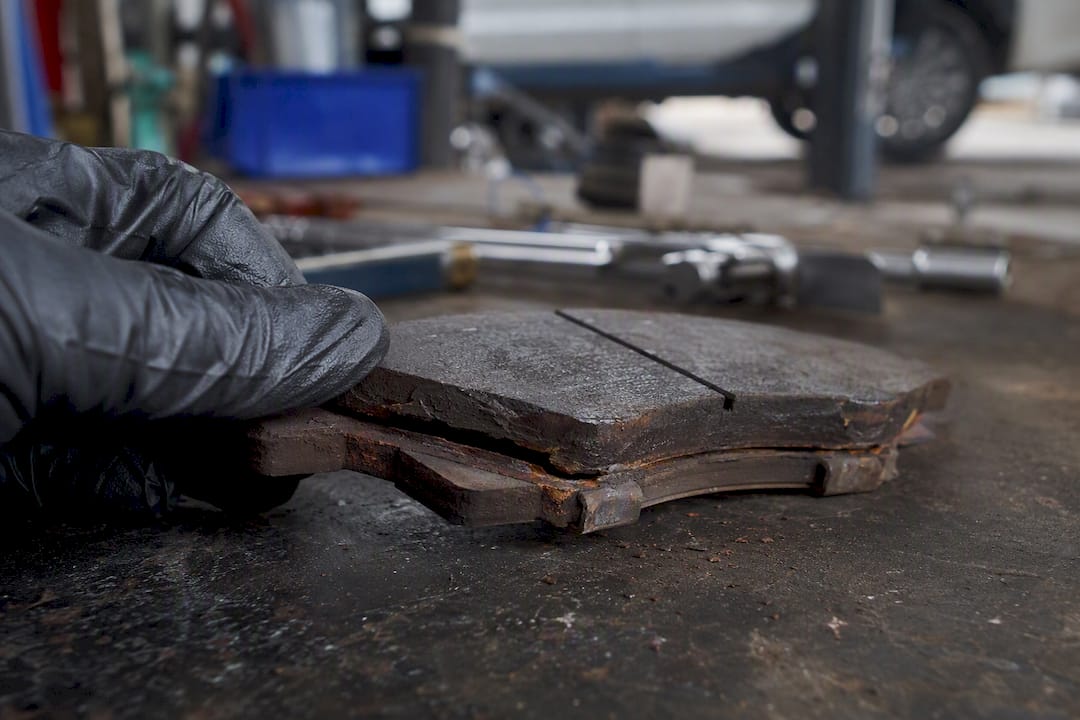
Yes, rust-caused pad delamination can be dangerous. When friction material separates from the backing plate, it can increase pedal travel and reduce how effectively your brakes stop the car. If you notice large missing chunks of pad, grinding, or a pedal that suddenly feels different, do not drive normally.
- If braking still feels stable, drive at low speed directly to a shop.
- If braking feels compromised in any way, have the vehicle towed instead.
- Either way, your next move is a quick visual check or a call to a professional before you put more miles on it.
Key Takeaways
Rust that reaches the bond line between friction material and backing plate causes delamination, and once that bond fails, replacement is the only safe fix.
| Point | Details |
|---|---|
| Rust jacking causes separation | Corrosion between the lining and backing plate pushes the two apart, weakening the bond permanently. |
| Delamination increases pedal travel | The void left by separated material can lengthen stopping distance and destabilize braking pressure. |
| Inspect the pad edge, not just the rotor | Surface rust on a rotor is common; rust bridging the pad-to-plate bond line is the real warning sign. |
| Replacement is the only fix | No adhesive, glue, or field repair restores a delaminated pad’s structural bond safely. |
| AAA Frictions targets the root cause | HydroAdaptive ceramic pads and galvanized, coated-rotor kits reduce the moisture exposure that drives rust jacking. |
Table of Contents
- What Causes Pad Delamination Rust and Why It’s Dangerous
- How Can You Check Your Brakes for Delamination?
- What Should You Do Right Now If You Suspect Delamination?
- What Are Your Repair and Replacement Options?
- How Do You Prevent Rust From Causing Delamination Again?
- When Should You Call a Professional?
- Why Backing Plate Design Is the Real Story Here
- Ready to Replace a Delaminated Pad With Something Built to Resist It?
- Sources
What Causes Pad Delamination Rust and Why It’s Dangerous
Delamination happens when the friction lining separates from the steel backing plate it’s bonded to. That separation isn’t cosmetic. It creates voids and uneven pressure across the pad, so the friction material can’t press against the rotor the way it’s designed to.
Rust is usually the culprit. Moisture, road salt, and a failed protective coating let corrosion form right at the bond line between the lining and the plate. Once rust reaches that interface, it can weaken the adhesive bond, causing the material to chip, crack, or separate entirely. Technicians sometimes call this “rust jacking,” where corrosion literally pushes the lining apart from the plate over time.
The consequences go beyond a squeak:
- Increased pedal travel as the piston pushes past the gap left by separated material
- Uneven braking pressure between pads, which can pull the car to one side
- In severe cases, heat buildup and hydraulic fluid problems during hard or repeated braking
Corrosion on brake components isn’t something to shrug off. Rust at these surfaces signals that a protective layer has already failed, and that failure tends to get worse, not better, with time.
How Can You Check Your Brakes for Delamination?
You don’t need a lift or a full toolkit to catch most warning signs. A ten-minute check, done safely, tells you a lot.
- Let the brakes cool completely and park on level ground before you touch anything. Pulling a wheel off is optional but gives you a much better view.
- Look at the edges of each pad for crumbling friction material, exposed metal backing plate, or a rust line visible between the lining and the plate.
- Check whether the pad moves freely in the caliper bracket, and look at the slide pins for corrosion that could be seizing them in place.
- Listen and feel while driving at low speed in a safe area: grinding or scraping noises, vibration through the pedal, or a pedal that feels softer or travels farther than usual are all signs pointing toward delamination.
Pro Tip: Focus your eyes on the pad’s edge where it meets the backing plate, not just the rotor surface. Surface rust on a rotor is common and often harmless. Rust bridging the pad-to-plate bond line is the sign that actually matters.
If your caliper design hides the pad edge or you simply can’t get a clear look, don’t guess. That’s a job for a professional inspection.
What Should You Do Right Now If You Suspect Delamination?
Your next steps depend on how bad the damage looks and feels.
- If braking performance is noticeably reduced, or you can see large sections of friction material missing, stop driving and arrange a tow.
- If you only see minor surface rust and the brakes still feel normal, book an inspection soon, but avoid hard braking and highway speeds until a technician confirms the pad is sound.
- Never try to sand, glue, or otherwise patch a delaminated pad. Field fixes don’t restore a bonded friction surface, and a partially reattached pad can fail without warning.
When in doubt, treat it as urgent. A brake system with a compromised pad interface doesn’t give you a reliable second warning before it gives you a bigger problem.
What Are Your Repair and Replacement Options?
There’s no fixing a delaminated pad. Once the bond between friction material and backing plate has failed, the pad has to be replaced, because there’s no reliable way to restore structural adhesion once corrosion has already broken it apart.
What you replace it with matters more than most owners realize:
- Backing plate protection. Galvanized backing plates create a barrier against corrosion at the bonding interface, which is exactly where rust jacking starts.
- Bonding method. Pads that rely on mechanical hooks or positive molding into the backing plate hold up better over time than pads bonded with adhesive alone.
- Rotor condition. A rotor with light, even wear can often be resurfaced. Deep grooves, heavy pitting, or rust scaling call for replacement, and semi-coated rotors resist that kind of corrosion better than bare cast iron.
This is where AAA Frictions’ engineering approach earns its place in the conversation. Our HydroAdaptive Technology is built around clearing moisture from the friction surface quickly, which limits the standing water and trapped humidity that feed corrosion at the pad-to-plate interface in the first place. Paired with galvanized backings and vehicle-specific kits like the Type 07 pads with GC coated rotors, it’s a construction designed specifically to resist the failure mode this article is about.
How Do You Prevent Rust From Causing Delamination Again?
Prevention is mostly a habit problem, not an engineering problem, once you’ve got the right parts installed.
- Wash under your wheel wells regularly, especially after winter driving on salted roads. Removing salt and grime slows the corrosion rate on hardware you can’t always see.
- Replace pads before they wear down to nothing. Thin pads sitting closer to the backing plate give rust less material to work through before it reaches the bond line.
- Avoid long-term outdoor storage in consistently wet or salty conditions when you have a choice, and give your brakes a seasonal look, particularly heading into and out of winter.
- Choose pads and rotors built around corrosion resistance from the start: galvanized or mechanically bonded pads and coated rotors close off the entry points rust needs.
Pro Tip: A five-minute rinse under each wheel well after a salted-road drive does more for long-term pad life than almost any other single habit.
When Should You Call a Professional?
Some symptoms don’t leave room for a wait-and-see approach: missing pad material, a pedal that suddenly feels soft, or loud grinding under braking all warrant a shop visit right away.
Once you’re there, expect a fairly standard process: full brake inspection, pad and hardware replacement, a rotor assessment to decide between resurfacing and replacement, and a check that caliper slides move freely and brake fluid is in good condition.
- Most inspections and straightforward pad replacements are done the same day.
- Cost depends heavily on your vehicle, the pad material chosen, and whether rotors need resurfacing or full replacement.
Why Backing Plate Design Is the Real Story Here
Most owners fixate on pad material, ceramic versus semi-metallic, when the backing plate and how it’s bonded deserve just as much attention. A premium friction compound sitting on a poorly protected plate is still vulnerable to the exact failure this article describes.
That’s the thinking behind HydroAdaptive Technology: moisture management at the plate and friction surface addresses the root cause of rust jacking rather than just upgrading the compound on top of it. Every weather-adaptive brake system still depends on that interface staying intact, rain or snow or dry pavement.
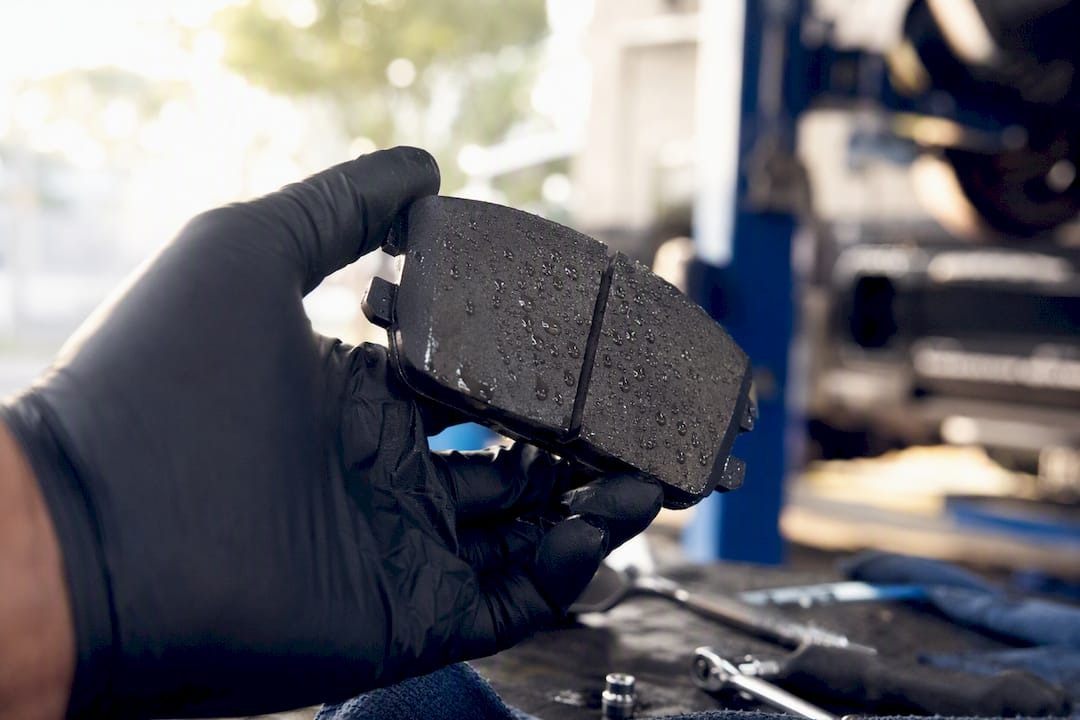
Owners who treat pad selection as a corrosion-prevention decision, not just a stopping-power decision, tend to avoid this problem entirely rather than diagnosing it after the fact.
Ready to Replace a Delaminated Pad With Something Built to Resist It?
If you’ve confirmed rust has compromised your pads, the fix is a replacement built to resist the same failure happening again. AAA Frictions’ HydroAdaptive ceramic pads clear moisture from the friction surface fast, which limits the corrosion window that leads to rust jacking at the backing plate, paired with semi-coated rotors and vehicle-specific kits so you’re not guessing at fitment.

Look up your vehicle and browse HydroAdaptive kits like the Type 07 pads with SC rotors, or start with the full technology overview to see how the moisture-clearing design works before you order.
Sources
- Autoguide
- Brake corrosion science: Why rust on brake lines and pads is not normal | Tomorrow’s Technician
- Dangerous delamination of friction lining material | Brake & Front End
Recommended
- Caliper Corrosion in Ontario: Causes, Prevention & Repair
- Chevrolet Silverado 1500 HD Classic ’07 Brake Kit – Ceramic Pads & Semi-Coated Rotors
- Ford Special Service Police Sedan ’14-18 Brake Kit – Ceramic Pads & Semi-Coated Rotors
- Chevrolet Silverado 1500 ’05 Brake Kit – Ceramic Pads & Semi-Coated Rotors