

A firm brake pedal in cold weather almost always points to reduced power assist or moisture that has stiffened inside the brake system, not worn-out pads. Pump the pedal three to five times with the engine off, hold it down, then start the engine. It should drop slightly. If it doesn’t, or if the pedal stays rock hard after the engine has run for a few minutes, get the vehicle inspected before you drive any real distance.
TL;DR:
- Cold weather often causes a firm brake pedal due to moisture or moisture-stiffened components, not worn pads or mechanical failure.
- Simple checks like pumping the brake, listening near the firewall, and inspecting fluid and calipers can identify if moisture or ice blocks are affecting braking.
- Most morning stiffness resolves after a few warm-up stops, but persistent issues may require fluid flushes or replacing cracked vacuum hoses and stuck check valves.
- Immediate driving is unsafe if the brake warning light is on, the pedal remains hard after warming, or the vehicle pulls to one side with grinding noises.
- Upgrading to climate-optimized brake parts can improve pedal consistency if recurring cold, moisture, or ice causes regular brake performance problems.
Table of Contents
- Firm Brake Pedal in Cold: Quick Driver Checks You Can Do Safely
- What Causes a Hard Brake Pedal in Cold Weather?
- How Do You Fix a Firm Brake Pedal Caused by Cold?
- When Is a Firm Brake Pedal an Emergency?
- Why Climate-Adaptive Brake Parts Matter More Than People Think
- A Practical Next Step for Recurring Cold-Weather Brake Trouble
- Sources
- FAQ
Firm Brake Pedal in Cold: Quick Driver Checks You Can Do Safely
Before you decide whether to drive to work or call a tow truck, spend five minutes in the driveway running through a short diagnostic sequence. None of these checks require tools, and all of them are safe to do at home.
- Run the booster test. With the engine off, pump the brake pedal three to five times until it feels firm, then hold your foot on it and start the engine. A properly functioning vacuum booster will let the pedal sink slightly as the engine builds vacuum.
- Listen near the firewall. A hissing sound close to where the brake booster mounts often signals a cracked vacuum hose or a failing check valve, especially if you spot frost or brittle rubber.
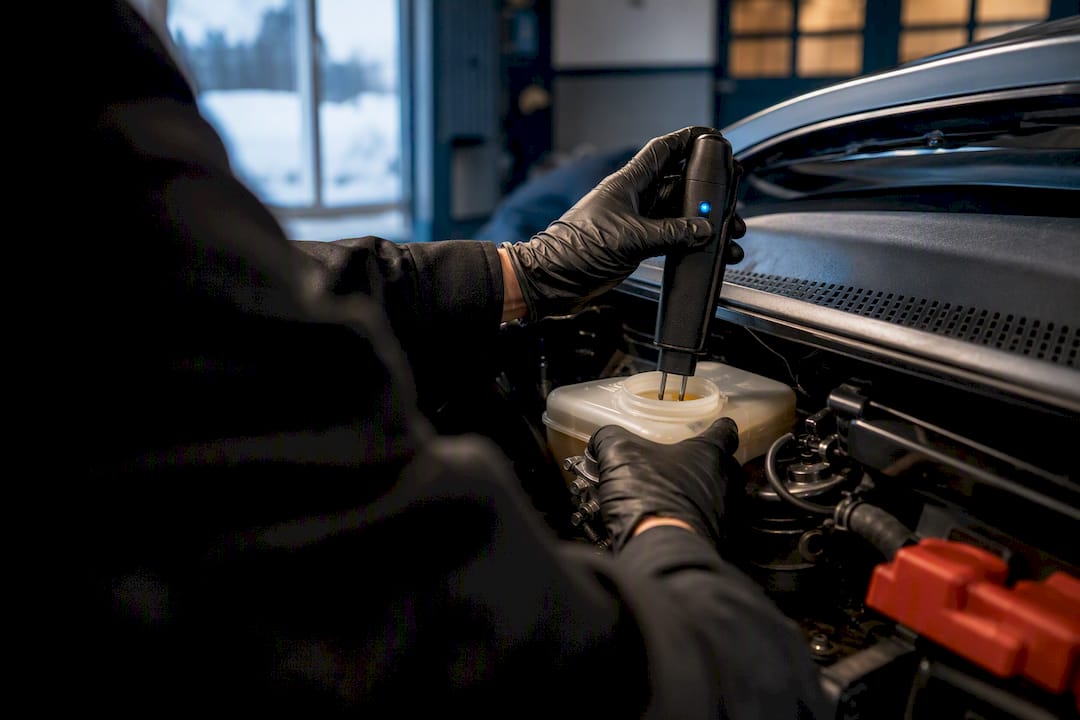
- Check the fluid. Pop the hood and look at the reservoir. Fluid should be clear to light amber. Dark, cloudy, or milky fluid suggests moisture contamination, and a reservoir cap that doesn’t seal tightly lets more moisture in over time.
- Walk around the vehicle. Look for snow or ice packed around the calipers and rotors, and check whether the parking brake released fully. A frozen parking brake or a dragging caliper often shows up as a wheel that feels warmer than the others after a short, slow drive.
- Test in a safe spot. Do any rolling brake check in an empty driveway or quiet street, never in traffic or on an icy hill. If the pedal stays hard, the vehicle pulls to one side, or you hear grinding, stop and arrange a tow instead of continuing.
Pro Tip: Keep the test short and slow. If the pedal feels inconsistent from one stop to the next, that inconsistency itself is a signal worth reporting to your mechanic, not just the overall firmness.
What Causes a Hard Brake Pedal in Cold Weather?
Several distinct mechanisms can make a brake pedal feel unusually stiff once temperatures drop, and they don’t all carry the same urgency.
- Vacuum assist loss. Your brake booster relies on engine vacuum to multiply the force of your foot. In cold conditions, a depleted vacuum reserve or a check valve that has iced over means that multiplier isn’t available yet, so the pedal feels hard until the engine catches up.
- Brake fluid moisture. Brake fluid is hygroscopic, meaning it absorbs water from the atmosphere over time. In extreme cold, that trapped moisture can thicken the fluid or form ice crystals that partially block flow through the lines, which stresses hydraulic response and can interfere with ABS function.
- Stiff rubber components. The seals, diaphragms, and hoses throughout the brake system are made from rubber compounds that lose some flexibility in the cold. That stiffness can temporarily reduce how efficiently vacuum assist transfers to the pedal, and it usually loosens up once things warm through.
- Caliper drag and frozen parking brake hardware. Moisture that froze overnight around caliper slide pins or parking brake cables adds mechanical resistance, which raises the effort needed at the pedal regardless of what the booster is doing.
- Glassy pad and rotor surfaces. In sharp cold snaps, the friction surface on pads and rotors can feel briefly less responsive, almost glassy, until a few stops warm them enough to restore normal bite. This is different from a soft brake pedal in cold conditions, which points toward a different set of causes entirely.
Most mornings, the culprit is simply assist reserve rather than a mechanical failure. The pedal softens on its own once the engine has run for a minute or two. The exceptions worth taking seriously are ice-blocked lines and dragging calipers, because those don’t resolve with warm-up time alone.
How Do You Fix a Firm Brake Pedal Caused by Cold?
The right fix depends on whether you’re dealing with a temporary cold-morning quirk or a developing mechanical problem, so start with the least invasive option and work up.
- Warm up gently first. Drive at low speed and make a few light, deliberate stops rather than one hard stop. This clears surface moisture from the pads and rotors and lets the booster build full vacuum.
- Replace obvious wear items. A cracked or brittle vacuum hose and a stuck check valve are inexpensive parts, and swapping them often resolves a morning-only hard pedal for good.
- Lubricate caliper slide pins. If a wheel drags or feels warm after a short drive, the slide pins may need cleaning and fresh lubricant so the caliper can move freely again.
- Free frozen parking brake components. Cables and levers that iced overnight sometimes just need gentle working loose; if they resist, that’s a job for a shop rather than force.
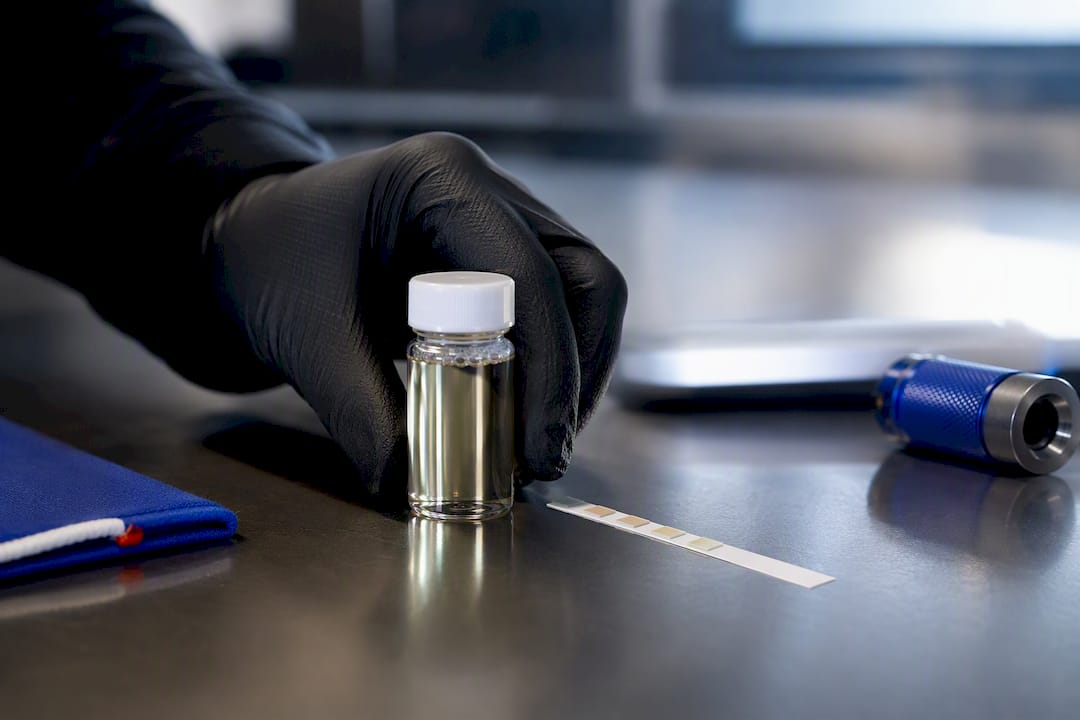
- Flush the brake fluid on schedule. Because fluid absorbs moisture year-round, technicians recommend flushing it before winter sets in rather than waiting for symptoms. A standard flush typically takes some time, and cost bands vary by region and vehicle.
A quick benchmark: technicians who work on cold-climate vehicles routinely test fluid for moisture content as part of pre-winter service, since even small amounts of water dramatically change how fluid behaves once temperatures drop below freezing.
If the booster itself has failed, or a caliper needs replacement, expect the job to run one to four hours of labor, with parts and cost ranges shifting from minor to moderate depending on what’s involved. Ahead of winter, run through a short checklist: test the fluid for moisture, confirm you’re using the DOT specification your manufacturer recommends, and inspect hoses, calipers, and parking brake hardware while the weather is still mild.
Pro Tip: Don’t wait for a warning light to schedule your fluid flush. Moisture builds up gradually and invisibly, long before it causes a symptom you’d notice at the pedal.
When Is a Firm Brake Pedal an Emergency?
Not every firm pedal needs an emergency stop, but some signs mean you should park the vehicle and call for a tow rather than driving anywhere.
- Stop driving immediately if: the brake warning light is on, the pedal stays hard even after several minutes of driving, the vehicle pulls hard to one side, or you hear grinding.
- Schedule a same-day inspection if: the pedal improves once the engine warms but the same stiffness returns morning after morning. That pattern usually points to a developing vacuum leak or check valve failure rather than a one-off cold snap.
- What to tell your mechanic: describe the exact symptoms, the outside temperature when it happened, which of the driveway tests you ran and what you observed, and whether any brake work was done recently. That detail cuts diagnostic time significantly.
Why Climate-Adaptive Brake Parts Matter More Than People Think
Most drivers assume a firm cold pedal is just something you live with until spring. We’d argue that’s backwards: pedal inconsistency is often a sign that the friction interface itself isn’t managing moisture well, not just that the engine hasn’t warmed up yet. Our HydroAdaptive approach is built around clearing moisture at the pad to rotor interface quickly, so friction stays stable stop to stop instead of drifting between grabby and soft. Our ClimateFlex™ caliper design addresses the other half of the problem, the physical stiffness that cold introduces into caliper alignment and sliding action. Neither replaces the basic checks in this guide. Test your fluid, inspect your vacuum hose, and confirm your calipers slide freely. Component choice and driver diligence solve different pieces of the same puzzle.
— AAA
A Practical Next Step for Recurring Cold-Weather Brake Trouble
If you’ve run the checks in this guide and keep landing back at the same conclusion, moisture and cold are working against consistent pedal feel more than any single failed part, it may be time to look at the components themselves rather than chasing symptoms every winter. Some manufacturers build brake pads and rotors specifically for drivers dealing with recurring moisture and cold-related inconsistency, using moisture-management friction materials paired with corrosion-resistant, climate-aware rotor coatings.

These kits are designed for drivers who see this pattern season after season, not just a one-time cold snap. Proper installation and wheel alignment still matter for getting the full benefit, so factor that into your service plan. You can check vehicle fit and browse available kits, including options like the Type 07 brake pads with semi-coated rotors, through the AAA Frictions landing page, or search your specific vehicle directly to see what fits.
Sources
For deeper technical detail on the mechanisms covered here, see Mechaniq’s breakdown of cold-weather brake performance, Brake & Front End’s tech tip on hard braking when cold, and GenAuto’s explainer on morning brake pedal firmness. For general winter vehicle prep, review this winter car care checklist.
- How Does Temperature Impact Brake Performance on Cold Canadian Roads?
- Tech tip: hard braking when cold — lack of power assist
- Why does my brake pedal feel hard in the morning?
FAQ
Why Does My Brake Pedal Feel Hard Only in the Morning?
A cold engine hasn’t built full vacuum yet, so the brake booster can’t fully assist the pedal until it’s run for a minute or two. The pedal typically softens on its own once the engine warms.
Is a Firm Brake Pedal in Cold Weather Dangerous?
It’s usually not dangerous if it softens after warm-up, but a pedal that stays hard, pulls to one side, or comes with a warning light means you should stop driving and have it inspected.
How Do I Test My Brake Booster at Home?
Pump the pedal three to five times with the engine off, hold it down, then start the engine. The pedal should drop slightly as vacuum builds; if it doesn’t move, the booster or its vacuum source needs inspection.
Can Moisture in Brake Fluid Cause a Hard Pedal?
Yes. Brake fluid absorbs water over time, and in freezing conditions that moisture can thicken the fluid or form ice crystals that disrupt hydraulic response, which is why regular flushing matters before winter.
Do Climate-Adaptive Brake Pads Help With Cold-Weather Pedal Feel?
Pads and rotors built to manage moisture at the friction surface, like those using Aaafrictions’ HydroAdaptive approach, can help keep pedal feel more consistent, though they work alongside, not instead of, routine fluid and vacuum system checks.